Strategies work
when relationships do.
Peopling is the ongoing practice of understanding another person’s lived experience. Most adults around a neurodivergent young person are doing their best. They just don't have a shared way to understand what's happening beneath behavior and then build the relational foundation that supports meaningful growth across school, home, and life.
Peopling helps schools and the families they serve build that shared understanding, so responses become more consistent, relationships strengthen, and students can actually grow. Peopling is the practice at the center of everything we build.
Neurodivergent young people learn, grow, and engage more fully when the adults around them share a deeper understanding of their lived experience and build relationships from that understanding.
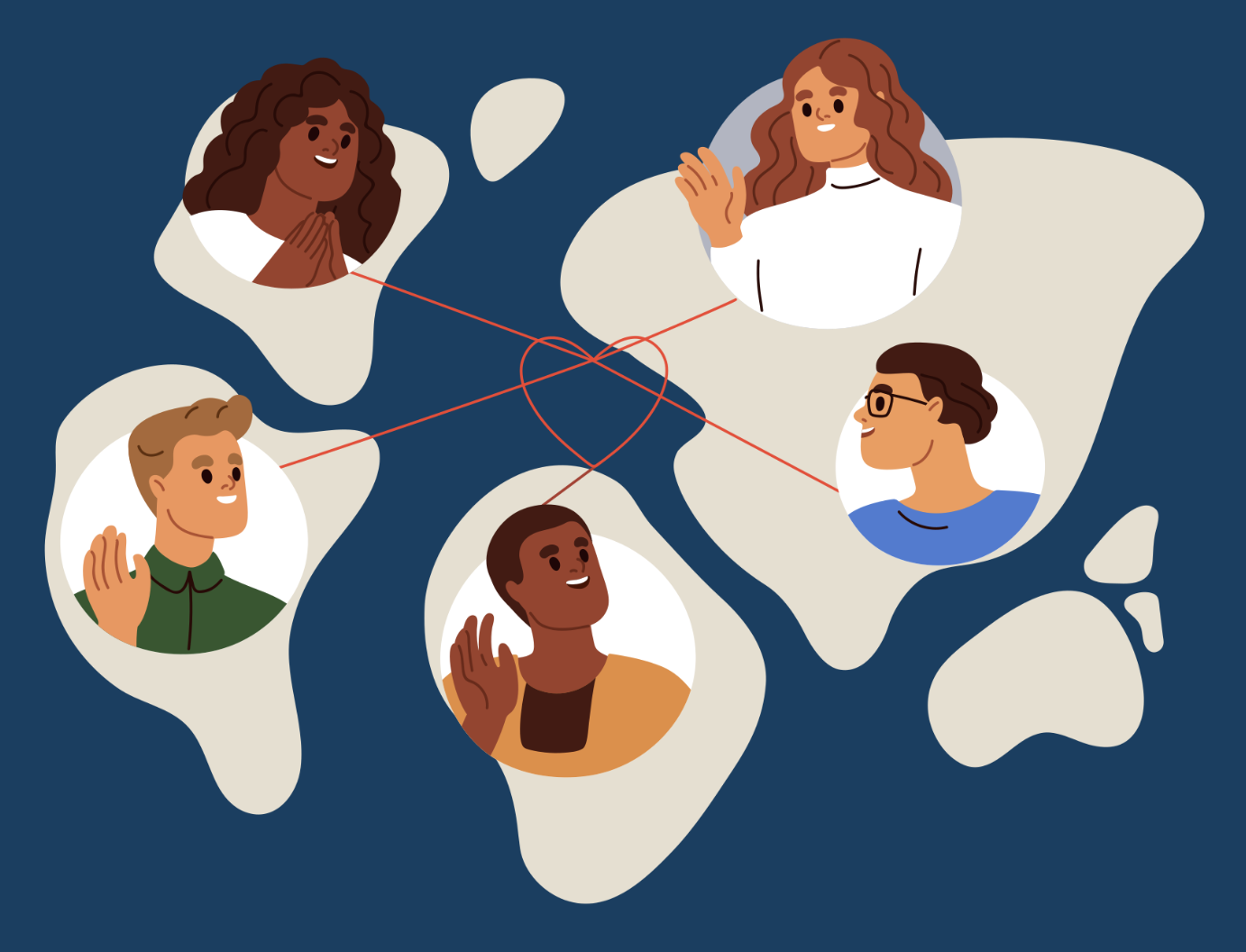
Peopling is the ongoing practice of understanding another person’s lived experience.
In the context of neurodivergence, this kind of understanding can change a student’s trajectory, how they see themselves, and the culture around them.
What do we mean by Peopling?
Peopling provides professional learning for schools and districts to better understand and support neurodivergent students and their families.
neurodivergence
〰️
adhd
〰️
autism
〰️
dysgraphia
〰️
across learning ecosystems: school, home, & work
〰️
relationships with others & self
〰️
common understanding
〰️
common language
〰️
common action
〰️
adaptive & relational instruction
〰️
neurodivergence 〰️ adhd 〰️ autism 〰️ dysgraphia 〰️ across learning ecosystems: school, home, & work 〰️ relationships with others & self 〰️ common understanding 〰️ common language 〰️ common action 〰️ adaptive & relational instruction 〰️
How is Peopling different from other neurodiversity professional development?
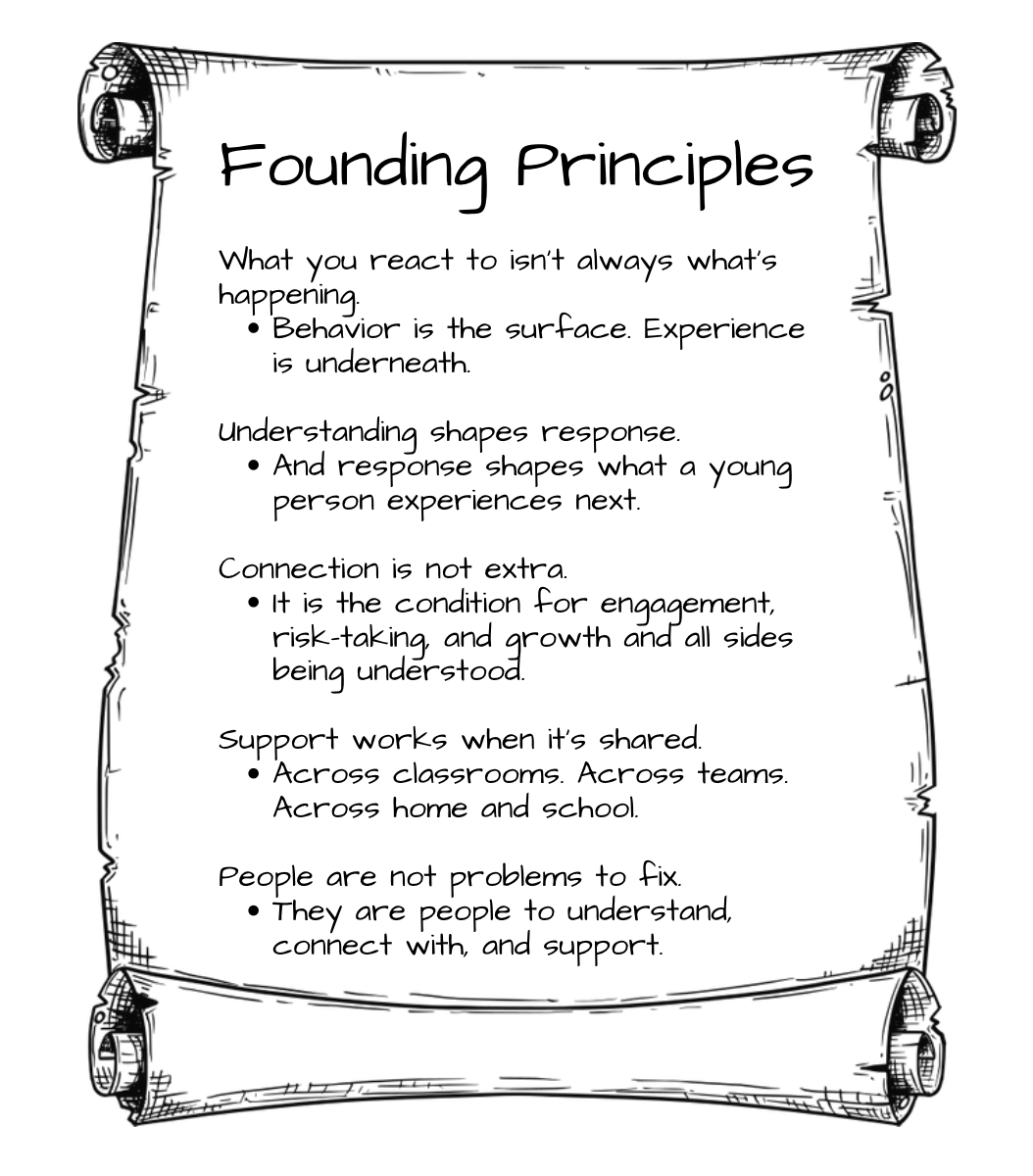
Most professional development builds awareness. Peopling changes how adults actually respond.
No one else builds a shared understanding system that works across home and school at the same time. Understood teaches awareness. PINE coaches onsite. Neurodiversity University sells courses.
Peopling does something different: we change how adults interpret and respond to neurodivergent young people, and we do it with educators and families working from the same foundation, in parallel, toward the same student.
The result is not better information. It is a change in the relationship itself.
Peopling works with schools and districts that want to build a shared foundation for understanding and supporting neurodivergent learners, and with the families those schools serve.
If inconsistent responses across classrooms, strained family relationships, or unclear support plans are familiar problems in your school, this is built for you.
Why do consistent adult responses
matter more than any single intervention?

District Leader
Situation
Navigating inconsistent staff responses to neurodivergent students while fielding pressure from parents and kids
Action
Introduces shared learning through Peopling
Result
Sees more consistent support and a stronger school-wide culture
Teacher / Counselor
Situation
Interpreting challenging behavior in real time, without a clear framework for what is happening beneath it.
Action
Learns to understand what is driving what they are seeing
Result
Responds with more confidence and genuine connection to the young person in front of them
Parents & Guardians
Situation
Trying to support their child at home while navigating mixed messages from the school
Action
Engages with the same framework as educators
Result
Feels more aligned, less alone, and more effective
FOR STUDENTS…
They go from feeling misunderstood or labeled to experiencing more consistent, informed responses that build trust, engagement, and confidence.
What does Peopling include?
A complete professional learning system for everyone that supports neurodivergent young people.
Peopling is differentiated by role, aligned across home and school, and built to grow with your team.
Our Foundational Series
Four micro-courses on understanding neurodivergence. One solid foundation for relationships and strategies.
Each course is short, practical, and built with parallel, aligned learning for professionals, parents and kids. They follow a sequence, but each one stands on its own.
Seeing the World Through Their Eyes
To understand a neurodivergent student's inner world, so that your responses start from the right place.
To shift from control to relationship, so that neurodivergent students have someone to trust rather than someone to manage or control them.
Stop Managing. Start Connecting.
To examine your own beliefs and assumptions about students, learning, and neurodiversity, so that what gets in the way becomes visible and workable.
Productive Mindsets: Theirs and Ours
Creating the Conditions for Executive Functioning Growth
To build practical structures that support learning, so that executive functioning challenges become something to work with rather than work around.
Why does understanding
what’s beneath behavior
change everything?
What changes when adults align?
When adults share a common framework for understanding neurodivergent students, their responses become more consistent and effective.

Build Understanding
See what’s actually happening beneath the surface—especially for neurodivergent learners,
so that your responses are grounded and supportive meaningful change.
Kids say:
“When people slow down and really try to understand me, I don’t feel like a problem to solve.”
Focus on supporting the young people in your life and building a foundation of trust, allowing growth to better take hold.
How?
Short, focused online micro-courses and decks for educators and parents, built from the same foundation and differentiated by context for alignment.
Turn Insight Into Action
Translate understanding into real responses,
so that you can respond in the moment in ways that are supportive and that reduce judgement, frustration, or escalation.
Kids say:
“It helps when adults don’t jump to conclusions. When they pause, I get a chance to show what I actually need.”
Deepen your understand of not only the neurodivergent young person in front of you, but also your reactions & responses.
How?
Guides and tools that help you pause, interpret, and act in everyday moments.
Align the Support
Build shared understanding across classrooms, teams, and home, and workplace so that a young person is supported consistently, not reinterpreted in every setting.
Kids say:
“It’s confusing when every adult sees me differently. It helps when they’re on the same page.”
Broadening the ecosystem of support builds collective efficacy and alliance among those that care for the young person. Together we are better.
How?
Professional learning and parent learning working from the same foundation, so that school and home are moving in the same direction.
When educators and families share a framework for understanding neurodivergent students, support becomes more consistent, relationships strengthen, and students grow.

When educators and parents understand what’s beneath behavior in neurodivergent students, their responses become more consistent and effective.
Peopling is built through ongoing pilots and field testing with parents, educators, and school teams.
This work is informed by design-based research: iterating in real settings, with real people, around real moments.
Across parent pilots and field tests in professional learning settings, consistent patterns have emerged.
How do adults respond differently?
Parents
Parents reported increased confidence in how they interpret and respond to their children. They described shifts in how they made sense of challenging moments, approached conversations, and held both support and high expectations. Over time, these shifts changed the tone of their relationships. Less tension. More clarity. More connection.
Educators
Educators showed increased curiosity toward neurodivergent students and greater nuance in how they interpreted behavior. Instead of reacting quickly, they learned to pause, consider what might be underneath, and adjust their response. These shifts led to more productive interactions, greater student engagement, and a stronger sense of connection in the classroom.

Young People
Young people experienced a shift in how adults engaged with them, leading to greater clarity, trust, and space to participate in their own growth. They felt more understood and less judged, had more time and space to think and respond, were seen beyond behavior, noticed more consistency across adults, and became more willing to engage, take risks, and communicate their needs.
Become a Research Partner!
A limited number of schools and districts are being invited to engage as Founding Research Partners. Partners get full access to the program at preferred pricing, a direct line to the team, and meaningful input on how the product develops.
In return, we ask for honest feedback and outcome data that helps shape the next phase of the work. This is structured, supported engagement, not a trial run.
If your school or district is ready to move this year, we would like to talk.
What do trusted voices have to say?
Bob Dannenhold
Director at Collegeology, NACAC, PNACAC, HECA, LDA, CVSP
“I would very much like to share my sincere support, thanks and gratitude for the Peopling.me series of presentations by the incredible Mike Haykin. This series will be foundational for professionals in the field of academic support and for the parents of special needs students. Mike Haykin is offering a very special gift to all of us with this program.”

Jean Orvis
Seattle Academy Founder & Educational Leadership Consultant
“This course serves as an incredibly useful and practical guide for both parents and teachers who strive to better understand the experience and needs of a neurodivergent child and seek proven techniques for supporting emotional and academic development.”
Jennifer Morris
TK-8 Principal, Greater Los Angeles Area / Thought Leader
“Supporting neurodivergent students within traditional school systems is complex and the need for understanding has never been greater. When educators, counselors, and parents truly understand how neurodivergent learners experience the world, everything changes. Peopling keeps it real, translating research into practice and helping adults step inside the learner’s experience. His work challenges us to examine our mindsets, beliefs, and strategies so support becomes intentional, human-centered, and transformative. When understanding deepens, relationships build and impact follows.”
Mary
Parents of high school student, Greater Chicago
“It’s been very difficult navigating the educational system that often does not accommodate diverse learning needs. Peopling has helped me step back and rethink my role—not just how I support her, but how I relate to her and to the school. I’m starting to see her challenges differently, and that’s changing how I respond and advocate.”